
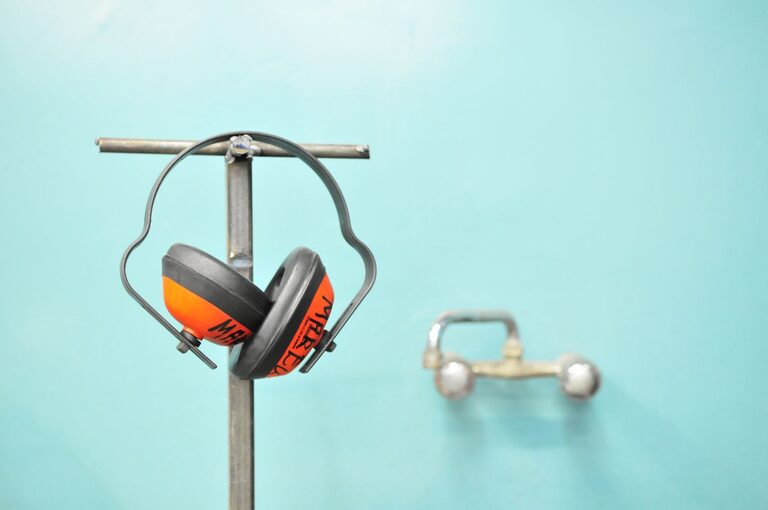
Creating a quiet and peaceful environment at home is essential for relaxation, productivity, and overall well-being. Whether you live in a busy neighborhood or shared space, there are practical ways to reduce noise without major renovations. This guide explores simple strategies to help you enjoy a quieter home.
Understanding Common Sources of Noise at Home
Before diving into solutions, it’s helpful to identify where most noise comes from:
– Outside traffic and street sounds
– Neighbors and shared walls
– Household appliances and electronics
– Footsteps and voices inside the house
Knowing the sources allows you to target the right approaches for reducing noise effectively.
Simple Noise-Reducing Solutions
1. Use Soft Furnishings to Absorb Sound
Hard surfaces reflect sound waves, which can amplify noise. Adding soft materials helps absorb sound:
– Rugs and Carpets: Place thick rugs on hardwood or tile floors. They help reduce footstep noise and echo.
– Curtains and Drapes: Heavy curtains can block outside sounds from windows and improve room acoustics.
– Upholstered Furniture: Sofas, cushions, and padded chairs absorb noise instead of reflecting it.
2. Seal Doors and Windows
Gaps around doors and windows let noise sneak in. Try these:
– Weatherstripping: Apply weatherstripping tape to door frames and window sashes to close gaps.
– Door Sweeps: Attach a door sweep at the bottom of doors to prevent sound from leaking underneath.
– Window Inserts: Consider removable acoustic window inserts for an extra sound barrier.
3. Rearrange Your Furniture
Furniture placement can help block or absorb noise:
– Position bookshelves against shared walls to add sound insulation.
– Place large pieces of furniture like sofas between noisy areas and quiet rooms.
– Avoid leaving empty spaces near walls where sound can bounce freely.
4. Add Sound-Absorbing Panels
If noise is a persistent issue, you might want to install acoustic panels:
– Sound-absorbing wall panels come in various styles and colors, blending with your decor.
– Cork boards can serve double duty as decorative and noise reducing elements.
– DIY panels made from fabric-covered foam or insulation board can be a cost-effective option.
5. Use White Noise Machines or Fans
Sometimes masking noise can be as helpful as blocking it:
– White noise machines create soothing background sounds that make disruptive noises less noticeable.
– A ceiling fan or a small desk fan provides continuous soft noise to cover sudden sounds.
6. Manage Noise From Appliances
Household appliances can be surprisingly loud:
– Maintain appliances regularly to prevent rattling or loud operations.
– Place washing machines or dishwashers on soundproof mats to reduce vibrations.
– Turn appliances off completely when not in use instead of leaving them on standby.
7. Encourage Quiet Habits in Your Household
Simple behavioral changes can reduce noise pollution:
– Use headphones for music or television, especially in shared spaces.
– Close doors gently and avoid slamming them.
– Set quiet hours to respect everyone’s need for calm.
When to Consider Professional Solutions
If noise is still a major problem despite trying these steps, professional soundproofing might be necessary:
– Installing double-glazed windows to block outside noise.
– Adding insulation inside walls or ceilings.
– Upgrading to solid core doors which block more sound than hollow ones.
These solutions involve higher costs but can greatly improve the comfort of your home.
Final Thoughts
Reducing noise at home doesn’t have to be complicated or expensive. By combining simple adjustments—like adding soft furnishings, sealing gaps, and managing daily habits—you can create a quieter, more relaxing space. Start with small changes and see how much difference they make to your home’s atmosphere. Peace and quiet are within your reach!