
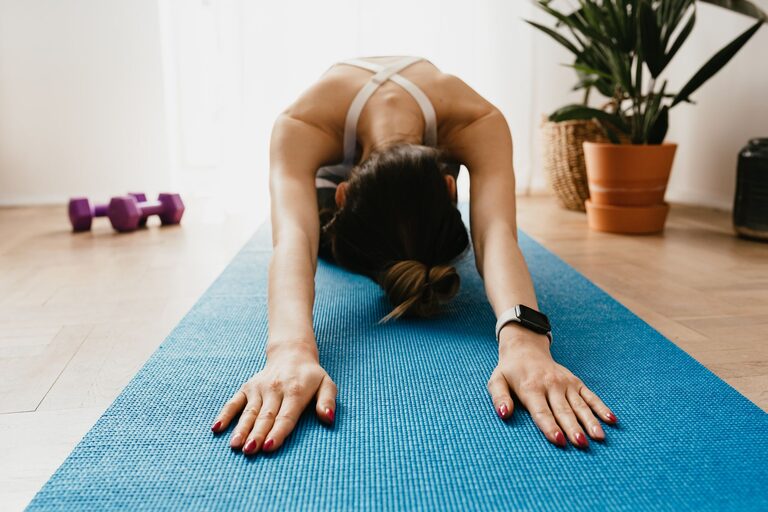
Stretching is a vital component of a healthy lifestyle that many overlook. Whether you want to improve flexibility, relieve muscle tension, or simply feel more relaxed throughout the day, incorporating stretching into your daily routine can make a big difference. The best part? You can easily start stretching at home with little to no equipment. This beginner’s guide will walk you through the basics of stretching, show you some easy stretches, and offer tips to create a sustainable routine.
Why Stretch at Home?
Stretching at home offers several benefits:
– Convenience: No need for gym memberships or fancy equipment.
– Cost-effective: Free and requires little space.
– Flexibility: You can stretch anytime that suits your schedule.
– Improved mobility: Stretching helps maintain joint range of motion.
– Reduced muscle tension: It eases stiffness after long periods of sitting or inactivity.
– Better posture: Regular stretching can help correct muscle imbalances.
Understanding the Basics of Stretching
Before diving into stretching exercises, it’s essential to understand some basic principles:
Types of Stretching
– Static stretching: Holding a stretch in a fixed position for 15-60 seconds. Ideal for cooling down or improving flexibility over time.
– Dynamic stretching: Moving parts of your body through a full range of motion in a controlled way, often used as a warm-up.
– Ballistic stretching: Involves quick, bouncing movements to push a stretch further. This is generally not recommended for beginners because it can cause injury.
– Proprioceptive Neuromuscular Facilitation (PNF): A more advanced technique involving contracting and relaxing muscles.
For beginners, static and dynamic stretching are the best starting points.
When to Stretch
– Warm-up: Use dynamic stretches to prepare your muscles before exercise.
– Cool-down: Use static stretches after exercising to relax muscles.
– Anytime: Stretch to relieve daily stiffness or stress.
Tips for Safe Stretching
– Never stretch to the point of pain.
– Start gently and gradually increase intensity.
– Breathe deeply and relax during stretches.
– Maintain good posture.
– Stretch both sides of your body evenly.
Getting Started: Easy Stretches for Beginners
Here are some simple stretches you can practice at home to target major muscle groups. Hold each static stretch for 20-30 seconds and repeat 2-3 times.
Neck Stretch
– Sit or stand tall.
– Slowly tilt your head to one side, bringing your ear toward your shoulder.
– Use your hand to gently increase the stretch if comfortable.
– Repeat on the other side.
Shoulder Stretch
– Bring one arm across your body at shoulder height.
– Use the opposite arm to press your arm toward your chest.
– Keep shoulders relaxed.
– Switch arms.
Chest Stretch
– Stand near a doorway.
– Place your hands and forearms on the doorframe, elbows at shoulder height.
– Step forward slowly until you feel a stretch across your chest.
– Hold and release.
Cat-Cow Stretch (Spine Mobility)
– Get down on your hands and knees in a tabletop position.
– Inhale, arch your back, lifting your chest and tailbone (Cow).
– Exhale, round your spine, tucking your chin and tailbone (Cat).
– Repeat slowly for 8-10 rounds.
Hamstring Stretch
– Sit on the floor with one leg extended and the other bent.
– Reach toward your toes of the extended leg.
– Keep your back straight.
– Switch legs.
Quadriceps Stretch
– Stand and hold onto a chair or wall for balance.
– Grab your ankle behind you and pull it gently toward your buttocks.
– Keep knees close together.
– Switch legs.
Calf Stretch
– Stand facing a wall.
– Place both hands on the wall.
– Step one foot back, keeping it flat on the ground.
– Lean forward slightly until you feel a stretch in the back calf.
– Switch legs.
Creating a Daily Stretching Routine
Starting small and being consistent is key. Here’s a sample routine you can try:
- **Warm-up (3-5 minutes):** Light walking or marching in place.
- **Dynamic stretches (3-5 minutes):**
– Arm circles
– Leg swings (front to back and side to side)
– Torso twists
- **Static stretches (10-15 minutes):** Use the stretches listed above.
- **Breathing:** Take deep breaths and hold each stretch comfortably.
Aim to stretch at least 3-5 times a week. As you become more comfortable, you can add more advanced stretches or extend your routine.
Common Questions About Stretching at Home
Do I Need Special Equipment?
Not necessarily. Most stretches require just your body and enough floor space. A yoga mat can provide comfort.
How Long Should I Hold a Stretch?
Begin with 20-30 seconds per stretch, gradually increasing to 60 seconds for improved flexibility.
Can Stretching Reduce Muscle Soreness?
It helps with muscle relaxation and tension but may not fully prevent soreness from intense workouts.
Is Stretching Enough Exercise?
Stretching improves flexibility and mobility but should be combined with strength and cardio exercises for overall fitness.
Final Thoughts
Stretching at home is a simple yet effective way to improve your physical health and feel better every day. By dedicating just a few minutes regularly, you can increase your flexibility, reduce discomfort, and enhance your overall well-being. Start slow, listen to your body, and enjoy the benefits of stretching anytime at your convenience. Happy stretching!